Pest Control · Raleigh, NC
Pest Control Across North Carolina: Rodent Control, Mouse Exclusion and Rat Removal
Soft wood near a door frame can point to moisture damage or insect activity, and high humidity can make wood decay more likely across North Carolina. North Carolina Pest Pros helps homeowners sort out the cause and choose practical Pest Control, including wildlife removal in Raleigh when animals are entering or nesting around a home.
- Serving since 2015
- North Carolina structural pest control operator license
- North Carolina commercial pesticide applicator certification
- National Pest Management Association membership
Common problems we solve
Discarded wings beside Raleigh windows
Soft wood near door frames
Termite damage beneath floorboards
Ant trails crossing kitchen counters
Mouse droppings inside pantry cupboards
11+
Years serving Raleigh, NC
38
Areas served
Our process
How it works
01
Tell us about the job
Call or send the form with what happened and where. We ask the questions that matter for the visit.
02
Get a clear plan
We explain the work and the price before anything starts, so there are no surprises.
03
Job done and checked
We finish the work, check it, and walk you through what was done.
Pest Control Services Across North Carolina
Homeowners dealing with insects, rodents, or wildlife can choose a focused service based on what is happening at the property. Hot, humid summers increase indoor pest activity, so a small entry point or food source can become a recurring nuisance.
We provide Termite Treatment when inspection findings support treatment, and Termite Inspection to document accessible evidence before a repair or purchase decision. A termite bond renewal can help customers review existing coverage and inspection findings. For mosquitoes around a yard, we assess the site and seasonal visit needs; for bed bugs, the room count and infestation level shape the plan.
Our crew also handles ant and fire ant activity, cockroaches, rodents, mice, rats, fleas, ticks, wasp nests, carpenter bees, spiders, carpenter ants, stink bugs, silverfish, pantry pests, wildlife, and bat exclusion. North Carolina’s humid conditions are one reason a measured inspection matters.
Near the North Carolina Museum of Natural Sciences in Raleigh, our approach is the same: identify the pest and explain the options. Explore Termite Inspection for service details.
What Affects Pest Control Costs in North Carolina?
A termite concern beneath a floor or bed bugs in several rooms can require very different scopes. We provide clear, itemized quotes after reviewing access, property size, and the treatment method; the North Carolina Research Campus in Kannapolis is a regional landmark, while each property’s needs remain specific.
A termite inspection is typically $75–$150, depending on report scope and property access. Termite treatment commonly runs $500–$2,500, with home size and treatment method affecting the quote.
Bond renewal is often $150–$400 based on coverage and inspection findings. Mosquito control may be $350–$900 depending on yard size and seasonal visits, while bed bug treatment can range from $500–$1,500 based on rooms, infestation level, and method.
These are planning ranges, not a promised price. Final quotes vary with infestation severity, property access, treatment method, and site conditions. Call (855) 681-0299 for a property-specific estimate.

How We Follow North Carolina Pesticide Rules
When a treatment uses pesticide, the label sets the directions for where and how that product may be applied. North Carolina’s humid summers can increase indoor pest activity, but weather is no reason to depart from product directions.
The North Carolina Structural Pest Control Act, Chapter 106, Article 4C, and North Carolina Pesticide Law of 1971, Chapter 143, Article 52, establish state requirements for structural pest work. North Carolina pesticide applicator licensing rules in 2 NCAC 09L govern applicator qualifications; we follow applicable requirements and use products according to their EPA-registered labels and FIFRA directions.
Our crew explains preparation and re-entry instructions before work begins. The North Carolina Department of Agriculture and Consumer Services oversees the state’s structural pest control program, and customers can ask us how a proposed treatment and its label directions apply to their home.
Why us
Why North Carolina Pest Pros
Local knowledge and clear communication help North Carolina homeowners understand the work being considered.
Local Pest Knowledge
The company grew from pest control work in the Raleigh area, where humidity, crawlspaces, and termite activity shape inspections. That local experience helps technicians explain what they find and discuss treatments suited to North Carolina homes.
Regional Scheduling
The team schedules from Raleigh and groups appointments by region to coordinate work across North Carolina. Customers can ask about timing and preparation needs when discussing service for their property.
Warning signs
Early Signs Around The Home
Discarded Wings
Discarded wings beside windows can be an early clue of termite activity. Save the location for an inspection and look for other changes nearby, such as damaged wood or signs along the foundation.
Mosquitoes Near Water
Mosquitoes gathering near standing water can point to a nearby breeding source. Check for water collecting around the property and mention those locations when seeking advice about reducing outdoor mosquito activity.
Through the year
Pest Pressures Through The Year
Spring
Spring rains can drive ants indoors and saturate soil around termite-prone structures. An inspection can help identify entry points or moisture concerns and give homeowners a chance to discuss treatment options before activity spreads.
Summer
Hot, humid summers can increase indoor pest activity, while storms may flood crawl spaces and basements. Discussing pest concerns during summer can help identify moisture-related conditions and suitable treatment choices for the property.
Fall
Fall temperatures often bring stink bugs indoors as they seek shelter. A technician can assess where pests are entering and review options for addressing those areas before indoor activity becomes a larger concern.
Winter
Winter freezes can push rodents toward heated buildings, while milder spells may prolong flea and tick activity. A service visit can help assess indoor pest concerns and identify treatment options suited to the home.
Ready to get started?
Call to talk through your job in Raleigh, NC.
Featured Work & Projects
Browse our recent jobs and quality workmanship for customers across Raleigh, NC.
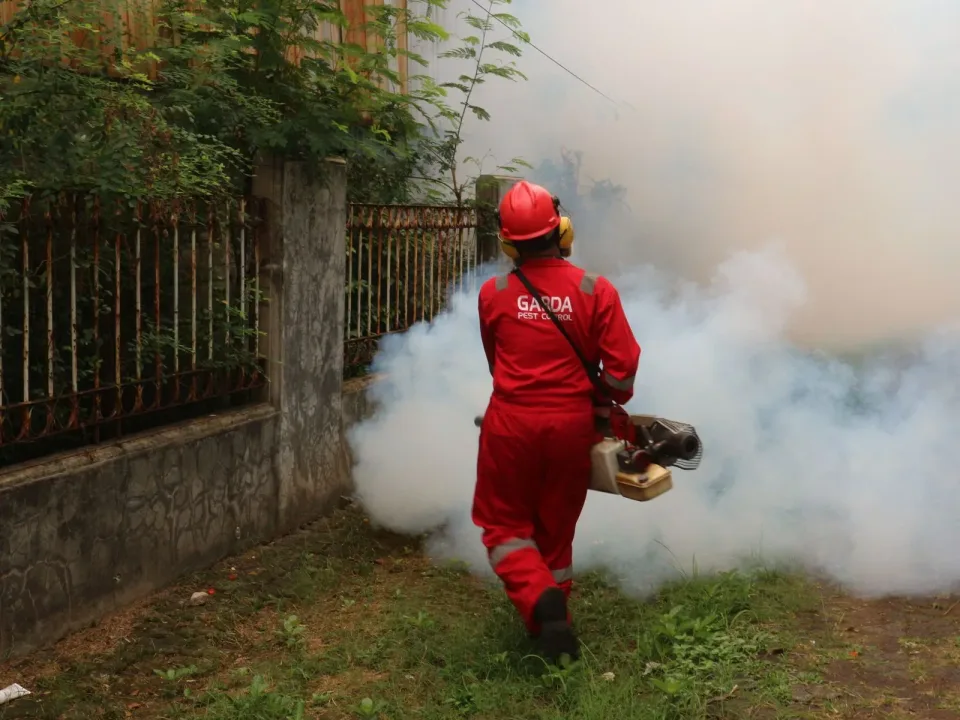
Pest Control Technician — Outdoor Service
Raleigh, NC
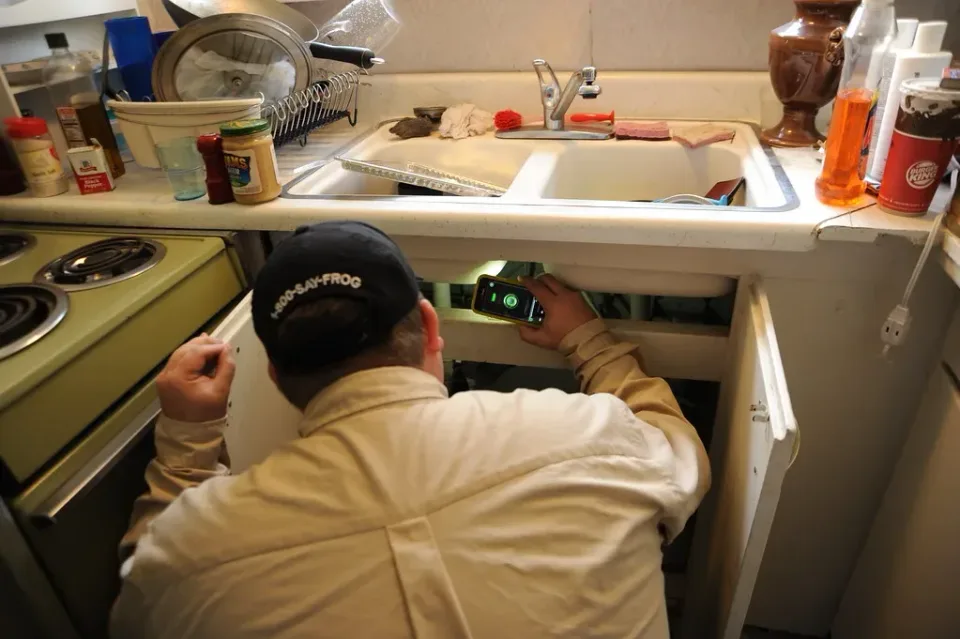
Pest Control Technician — Residential Service
Raleigh, NC
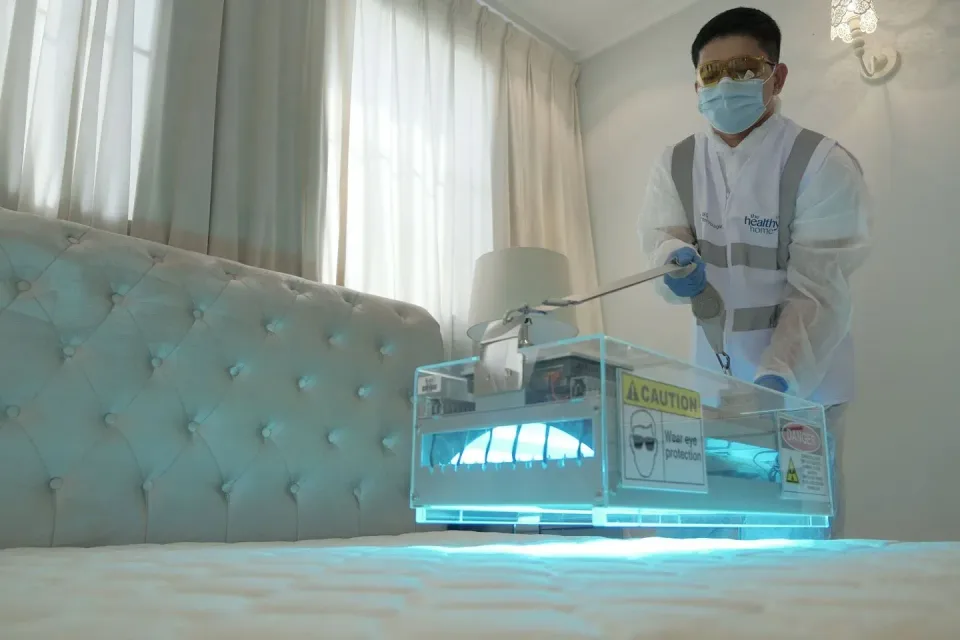
Pest Control Technician — Sanitization Service
Raleigh, NC
FAQ
Pest Control FAQs in Raleigh, NC
Straight answers for customers in Raleigh, NC on pricing, delivery, and scheduling.
Can termites return after termite treatment?
Yes, termites can return if new access points or conducive conditions remain, so an inspection and any follow-up recommended for the treatment plan matter. Ask us what the service covers and whether a termite bond applies to your property.
How often should a house get a termite inspection?
There is no single interval that fits every home; property history, accessible areas, and inspection findings affect the right schedule. A professional inspection checks accessible foundation and crawlspace areas, while damage can remain hidden inside wood.
What attracts termites to a house in North Carolina?
Wood-to-soil contact increases termite access risk, so check whether siding, trim, or stored wood touches soil around the home. Heavy rainfall can saturate soil around termite-prone structures, making drainage and foundation conditions worth discussing during an inspection.
Can termite treatment be scheduled around construction work?
Yes, construction timing can affect access, especially if work will cover a foundation or change the soil around it. Tell North Carolina Pest Pros what work is planned and when; post-construction treatment access may involve drilling or trenching depending on the property.
Do discarded wings by Raleigh windows mean termites?
Discarded wings can be associated with termite swarmers, which often appear in spring, but wings alone do not confirm an active infestation. Save a few for identification and arrange an inspection of accessible foundation and crawlspace areas if you find them indoors.
Local Leadership
Meet Your Local Experts
Daniel Whitaker Lead Expert
North Carolina Pest Pros
"Practical Pest Control, Statewide"
I started in pest control in the Raleigh area, where humid summers, crawlspaces, and termite activity make careful inspections part of the job. I built this company to give North Carolina homeowners clear answers and treatments suited to the way pests behave here.
11+ years experience North Carolina structural pest control operator license North Carolina commercial pesticide applicator certification National Pest Management Association membership
Get a Quote
Get a Pest Control Quote in Raleigh, NC
Share job details below or call our team directly. Phone: (855) 681-0299
Cities & Towns
Service Areas in Raleigh
Select a city to find local pest control providers we cover in Raleigh.
Greensboro, NC27411Cary, NC27560High Point, NC27265Rocky Mount, NC27803Kernersville, NC27284Thomasville, NC27360Shelby, NC28150Waxhaw, NC28173Pinehurst, NC28374Havelock, NC28533Hendersonville, NC28792Henderson, NC27536Spring Lake, NC28390Gibsonville, NC27377Hillsborough, NC27278Conover, NC28613Oak Ridge, NC27310Marion, NC28752Marvin, NC28173Stokesdale, NC27357Swannanoa, NC28778Shallotte, NC28462Pittsboro, NC27312China Grove, NC28023